
There is a special kind of satisfaction that comes from fitting the last piece into a puzzle. That moment when everything clicks into place—literally and figuratively—is deeply rewarding. For puzzle enthusiasts, the journey is just as important as the destination. The challenge of arranging shapes, the frustration of a near-miss, and the joy of a completed board create a loop that is hard to resist.
Woody Hexa, developed by GameBerry Studio, delivers exactly this experience in a fresh, visually appealing package. Unlike traditional square-grid puzzles, Woody Hexa challenges players to arrange hexagonal blocks by color across 250 increasingly complex levels. The result is a game that is both relaxing and mentally stimulating, suitable for puzzle lovers of all ages.
In this article, we will explore everything Woody Hexa has to offer: its core mechanics, strategic depth, visual appeal, and why it stands out in a crowded puzzle genre.
What Is Woody Hexa? A Fresh Take on Block Puzzles
Woody Hexa is a browser-based puzzle game built using Construct 3 technology. It is available on GameDistribution and is fully compatible with mobile web browsers (iOS and Android) as well as desktop computers. The game takes the familiar concept of block-fitting puzzles and adds a unique twist: hexagonal grids and color-matching mechanics.
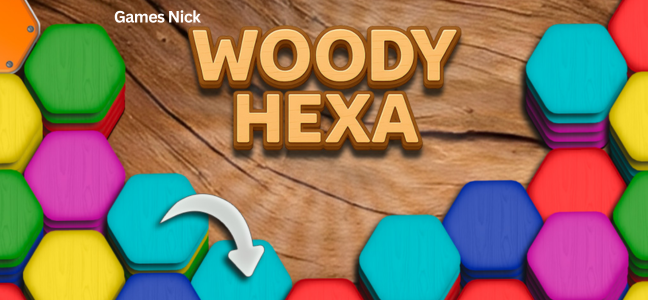
The “Woody” in the title refers to the game’s aesthetic. The blocks and interface feature warm, wood-like textures and earthy tones. This design choice creates a calming, organic feel that distinguishes Woody Hexa from the bright, neon-heavy puzzle games common in the genre.
Key Features at a Glance
- 250 Unique Levels: A substantial amount of content that will keep you engaged for hours.
- Hexagonal Grid: Unlike square-based puzzles, hexagons offer six directions for placement, adding complexity.
- Color Matching: Arrange blocks not just by shape but by color to complete each puzzle.
- Drag-and-Drop Controls: Simple, intuitive interaction on both mouse and touchscreen devices.
- Progressive Difficulty: Early levels teach the basics; later levels demand serious strategic thinking.
- Relaxing Visuals: Warm wood tones and a clean interface create a low-stress environment.
- Cross-Platform: Works on desktop, smartphone, and tablet via web browser.
How to Play: Drag, Drop, and Match
The instructions for Woody Hexa are clear and concise. But beneath that simplicity lies genuine strategic depth.
Basic Controls
| Device | Control Method |
|---|---|
| Desktop | Mouse: Click and drag blocks onto the board |
| Mobile | Touch: Tap and drag blocks with your finger |
There are no complex keyboard shortcuts. The drag-and-drop mechanic is intuitive and responsive, which is essential for a puzzle game where precision matters.
Core Gameplay Loop
- Examine the Board: Each level presents a hexagonal grid with some blocks already in place. Your goal is to fill the remaining empty spaces.
- Review Available Blocks: Below the board, you will see a selection of hexagonal blocks in various shapes and colors. These are the pieces you must place.
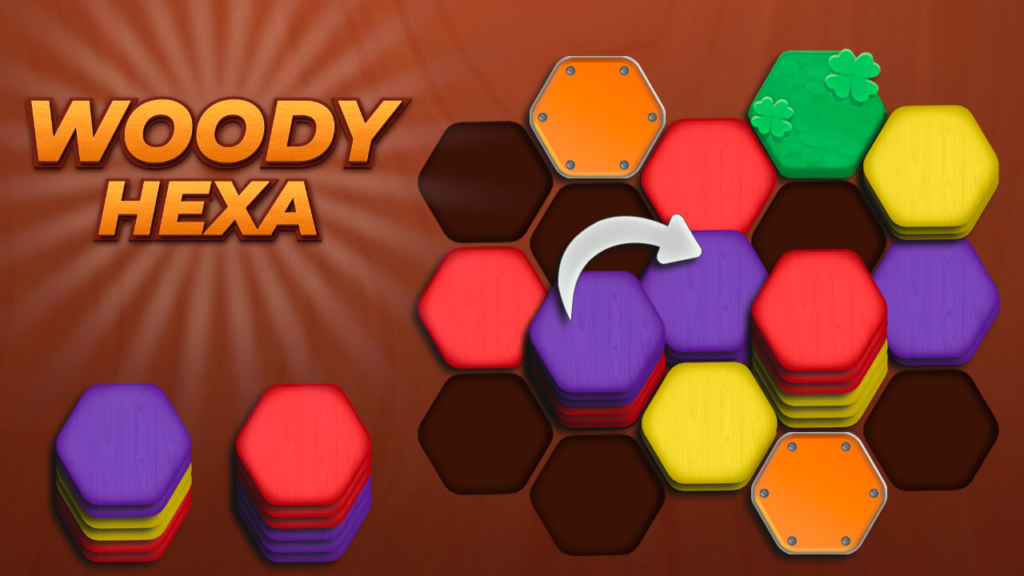
- Drag and Drop: Pick up a block and move it to an empty space on the grid. The block will snap into position if the space matches its shape and color requirements.
- Match Colors: Many levels require not just fitting the shape but also ensuring that adjacent blocks share matching colors or follow a specific color pattern.
- Plan Ahead: Unlike simpler puzzles where you can place blocks randomly, Woody Hexa rewards foresight. Placing a block in the wrong spot can make it impossible to complete the level.
- Complete the Board: Once all available blocks are placed correctly and the grid is full, the level is complete. You then advance to the next challenge.
The Hexagonal Difference
Why hexagons? Most block puzzles use square grids. Hexagons change the game in several important ways:
- More Connections: Each hexagonal cell touches up to six neighbors (compared to four in a square grid). This increases the number of possible interactions.
- Different Shapes: Hexagonal blocks come in unique configurations (like honeycomb clusters) that do not exist in square-based puzzles.
- Increased Difficulty: Because hexagons offer more placement options, finding the correct arrangement requires more careful consideration.
Level Progression: From Simple to Complex
Woody Hexa features 250 levels, a substantial amount of content for a free browser game. The difficulty curve is carefully designed.
Early Levels (1–50)
These levels serve as a tutorial, though there is no separate tutorial mode. The puzzles are small (perhaps 10-20 cells) with only a few blocks to place. Colors are distinct, and the correct placements are relatively obvious. These levels build confidence and teach the basic mechanics.
Mid Levels (51–150)
The board size increases. More blocks are introduced, including complex shapes with multiple colors. You will need to consider color matching carefully. Some levels may have multiple valid solutions, but only one uses all available blocks efficiently.
Late Levels (151–250)
This is where Woody Hexa earns its reputation as a “satisfying brain workout.” The boards are large and dense. Blocks have specific color requirements that interact with multiple neighbors. One wrong placement early in the level can make completion impossible. You will frequently find yourself restarting levels to try a different approach.
Strategies for Mastering Woody Hexa
Want to clear all 250 levels without pulling your hair out? Implement these expert strategies.
1. Scan Before You Place
Resist the urge to immediately drag the first block onto the board. Take 10–15 seconds to study the layout. Identify:
- Large empty areas: These likely need large blocks.
- Isolated cells: Small gaps that only specific small blocks can fill.
- Color clusters: Areas where matching colors are already adjacent.
2. Place Large Blocks First
If you have a block that covers five or six cells, place it early. Large blocks have fewer possible placements. Once they are in position, the remaining empty spaces become more defined, making it easier to place smaller blocks.
3. Save Small Blocks for Gaps
Small blocks (1–2 cells) are flexible. They can fill the odd-shaped gaps left after placing larger blocks. If you use small blocks early, you may find yourself with large empty areas that no remaining block can fill.
4. Consider Color Adjacency
Woody Hexa’s color matching is not always simply “same color adjacent.” Some levels may require:
- Gradients: Light to dark in a specific direction.
- Alternating patterns: Red, blue, red, blue.
- Color families: Warm colors together, cool colors together.
Read the level’s implicit rules by looking at pre-placed blocks. They are your only clues.
5. Use the “Restart” Button Generously
There is no penalty for restarting a level. If you have placed five blocks and realize you made a mistake, restart immediately. Trying to salvage a bad start wastes time and rarely works.
6. Take Breaks
When you are stuck on a level, step away from the screen. Make a cup of tea, stretch your legs, or work on a different task. When you return, the solution often becomes obvious. Your brain continues to process spatial problems subconsciously.
Visual and Audio Design: Relaxing by Default
Woody Hexa’s presentation is a significant part of its appeal.
Visual Style
The “Woody” theme is consistent throughout. Blocks have a wood-grain texture in warm browns, tans, and amber tones. The background is a soft, muted color (perhaps cream or light beige) that does not distract. The overall effect is calming and organic, reminiscent of a high-quality wooden puzzle you might hold in your hands.
Animations
When you place a block correctly, it snaps into place with a subtle satisfying animation (perhaps a slight bounce or a soft highlight). When you complete a level, the entire board may glow briefly before transitioning to the next level. These animations provide positive feedback without being flashy or distracting.
Sound (Inferred)
While the source material does not specify sound design, puzzle games of this type typically feature:
- Soft, unobtrusive background music (maybe acoustic guitar or piano).
- Gentle sound effects for placing blocks (a soft “thunk” or “click”).
- A rewarding chime for level completion.
If you prefer silence, most browser games allow you to mute audio independently.
Technical Requirements and Compatibility
Woody Hexa is built using Construct 3 and runs in any modern web browser.
| Requirement | Details |
|---|---|
| Platform | Desktop, laptop, smartphone, tablet |
| Operating System | Windows, macOS, Linux, iOS, Android |
| Browser | Chrome, Firefox, Safari, Edge (latest versions) |
| Technology | HTML5 / Construct 3 |
| Controls | Mouse or touch (drag and drop) |
| Screen Orientation | Landscape (800×600) |
| Internet | Required for initial load; offline play possible after loading |
The game is marked as mobile web compatible for both iOS and Android. On a smartphone, the 800×600 landscape orientation means you should turn your phone sideways for the best experience. On a tablet or desktop, the game will display at its native resolution or scale appropriately.
Privacy and Cookie Notice
Like most free online games, Woody Hexa is hosted on websites that may use cookies for advertising, analytics, and functionality. These include:
- Strictly Necessary Cookies: Required for the game to load and run properly.
- Performance Cookies: Help the website understand how players interact with the game.
- Targeting Cookies: Used to show relevant advertisements based on your interests.
You can typically manage these preferences through the website’s cookie consent tool. Playing in a private browsing window or using a browser with built-in tracker blocking can limit data collection.
Frequently Asked Questions (FAQs)
1. Is Woody Hexa really free?
Yes. Woody Hexa is completely free to play. There are no download fees, subscription costs, or mandatory in-game purchases. Some hosting sites may include optional advertisements, but these do not block core gameplay.
2. How many levels does Woody Hexa have?
The game features 250 unique levels. The difficulty increases progressively, with early levels serving as a gentle introduction and late levels providing a serious challenge for puzzle enthusiasts.
3. Can I play Woody Hexa on my phone?
Yes. The game is marked as mobile web compatible for both iOS and Android. Use touch controls to drag and drop blocks. For the best experience, hold your phone in landscape orientation (sideways).
4. What makes Woody Hexa different from other block puzzle games?
Woody Hexa uses a hexagonal grid instead of a square grid, which changes the placement options significantly. It also incorporates color-matching mechanics and features a warm, wood-themed visual style that is more relaxing than typical bright neon puzzle games.
5. Is there a time limit in Woody Hexa?
No. There is no timer or time pressure. You can take as long as you need on each level. The only challenge is logical: can you find the correct arrangement of blocks? This makes the game suitable for players who prefer relaxed, thoughtful puzzle-solving.
Conclusion: A Brain Workout Wrapped in Wood and Warmth
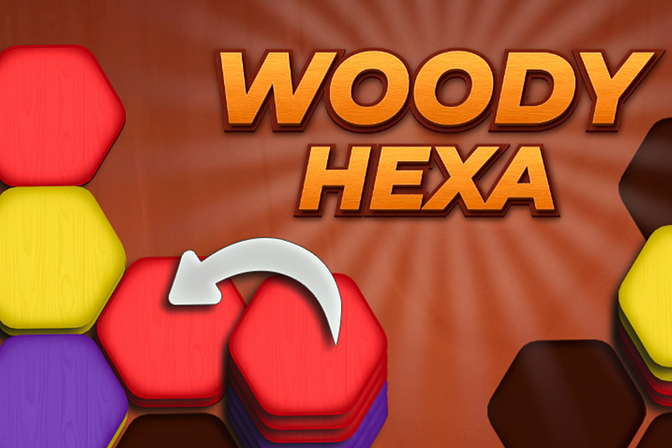
Woody Hexa succeeds where many puzzle games fail. It offers genuine cognitive challenge without raising your blood pressure. The hexagonal grid provides a fresh twist on familiar mechanics. The 250 levels offer hours of content for dedicated players. And the warm, wood-themed visuals create a relaxing environment that encourages thoughtful play rather than frantic clicking.
For fans of puzzles like Tangram, Blokus, or traditional block-fitting games, Woody Hexa is a must-try. The drag-and-drop controls are intuitive, the difficulty curve is well-calibrated, and the satisfaction of completing a tricky level is genuine.